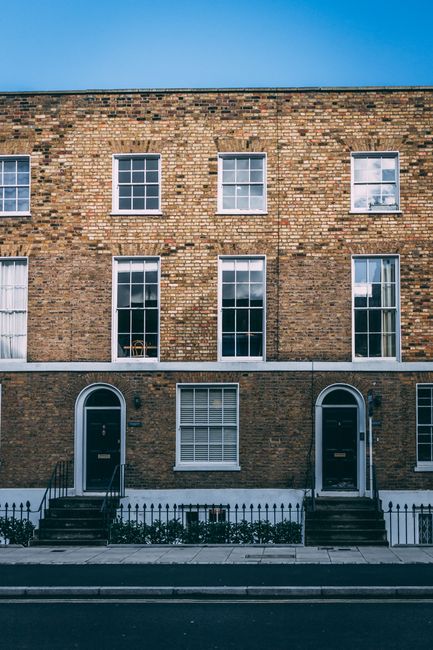
Georgian Highgate flat move: a real-life case study
Posted on 06/07/2026
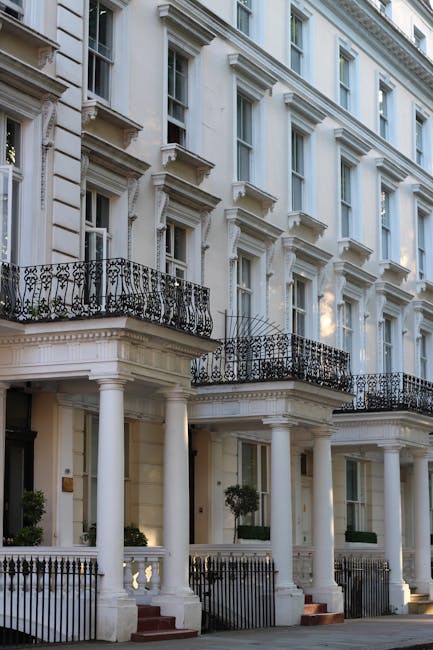
Georgian Highgate Flat Move: A Real-Life Case Study
Moving out of a Georgian flat in Highgate sounds charming right up until you meet the narrow staircase, the awkward door frame, the parking puzzle, and a sofa that suddenly seems to have grown overnight. That is exactly why a Georgian Highgate flat move: a real-life case study is useful. It shows what a local move actually looks like when the property is older, the access is tight, and the day needs planning rather than guesswork.
In this guide, we walk through the moving process in a practical way: what makes Georgian flats different, where delays usually happen, how to reduce risk, and what a well-run removal day tends to look like. If you are planning a flat move in Highgate, or comparing removal options, this article should help you make better calls without the stress spiral. To be fair, that spiral starts early for a lot of people.
There is no magic trick here. Just good preparation, local awareness, and the kind of moving advice that saves time on the day. Let's get into it.
Why Georgian Highgate flat move: a real-life case study Matters
Georgian flats are lovely to live in, but they can be a headache to move from. High ceilings, original staircases, sash windows, tight hallways, and period layouts all sound elegant until you are turning a wardrobe sideways at the bottom of the stairs. A real-life case study matters because it shows how these details affect planning, labour, timing, and even the type of van you need.
In Highgate, those older buildings often sit within streets where access is not generous. That means moving day is not just about carrying boxes. It is about understanding the property, the route, the parking situation, and the sequence of loading. Miss one part, and the rest of the day can wobble. A single blocked entrance or an overpacked liftless staircase can add more disruption than people expect.
Case studies are useful because they move the conversation away from vague promises. You see what was done, why it was done, and what difference it made. That is especially helpful if you are trying to decide between a full removal team, a man with a van in Highgate, or a more tailored flat removals service. The right choice depends on the flat, not just the postcode.
And honestly, Georgian properties reward preparation. When you plan well, the move tends to feel calmer, cleaner, and much less like a wrestling match with a bookcase.
How Georgian Highgate flat move: a real-life case study Works
A good Georgian flat move starts long before the van arrives. The process usually begins with a property assessment, even if it is only a short phone conversation or a quick video walkthrough. The aim is simple: identify what might slow things down. That includes stairs, doorway widths, fragile fittings, parking restrictions, shared entrances, and items that need two people rather than one.
From there, the move is broken into clear stages. Packing, disassembly, protection, loading, transport, and unloading each need their own attention. In a Georgian building, protection matters a lot. Corners, bannisters, and original floors can mark easily, so careful wrapping and measured lifting make a genuine difference.
Timing is also more important than people realise. Early starts are often best in Highgate because street space can be limited and daytime traffic can build without warning. If parking or access is likely to be awkward, it can help to read practical local guidance such as parking permit and removal rule notes for Archway Road before your moving date gets too close.
In real terms, the move works best when everyone knows the plan: what leaves first, what needs wrapping, where the van parks, and which items are most likely to snag on the stairwell. It sounds basic, but basic is what keeps the day from going sideways.
Key Benefits and Practical Advantages
A well-managed Georgian Highgate flat move brings more than just peace of mind. It often saves time, reduces damage risk, and makes it easier to keep the whole flat move on schedule. That matters whether you are moving a studio, a one-bedroom apartment, or a larger period flat with bulky furniture.
- Less damage to property: Good protection reduces scratches on walls, floors, and bannisters.
- Safer lifting: Stairs and awkward angles are a lot easier to manage with proper technique and the right kit.
- Faster loading: A clear sequence means the van is filled efficiently, not randomly.
- Less stress: You are not making decisions at the door while your kettle is in one hand and a lampshade is under your arm.
- Better control of costs: Efficient planning can reduce wasted labour time and avoid last-minute problems.
There is also a practical benefit that gets overlooked: you can protect the things you already own. A properly wrapped sofa, mattress, or dining table will usually arrive in better condition than if it were carried out bare. If your home includes larger pieces, it is worth looking at furniture removals in Highgate before deciding how much help you need.
For people with specialist items, the advantage is even clearer. Upright pianos, for example, are not the kind of object you simply nudge down a staircase and hope for the best. A dedicated service such as piano removals in Highgate is often the sensible choice.
Who This Is For and When It Makes Sense
This kind of move is for anyone dealing with a period flat, a tight stairwell, or a property where access is more complicated than it looks on the listing. It is especially relevant if you are moving from a Georgian building in Highgate and want a realistic plan rather than a hopeful one.
It also makes sense for:
- tenants leaving a flat with a fixed move-out deadline
- homeowners moving within North London
- students upgrading from shared accommodation to a self-contained flat
- downsizers who need careful handling of furniture and sentimental items
- small business owners relocating stock or office items from a residential base
If you are moving with fewer belongings, a man and van Highgate arrangement can be a neat fit. If the job is larger, involves more heavy lifting, or needs more structured handling, full removal services may be more appropriate.
There is a point where DIY stops being economical and starts being exhausting. Truth be told, that point comes earlier in Georgian properties than people expect.
Step-by-Step Guidance
Here is a practical way to approach a Georgian Highgate flat move without letting it become chaotic.
- Survey the flat properly. Measure the largest items, note stair turns, check door widths, and look at the route from the front door to the van.
- Declutter before packing. The less you move, the easier and cheaper the day tends to be. A focused declutter session can save a surprising amount of effort, and this decluttering approach is a sensible place to start.
- Pack in a sequence. Pack the things you rarely use first, and keep essentials in one clearly marked bag or box.
- Use proper packing materials. Sturdy boxes, tape, wraps, and labels matter more than people think. If you need more structure, see packing and boxes in Highgate.
- Protect furniture before moving it. Mattresses, sofas, mirrors, and tables all benefit from extra padding and covers.
- Plan access and parking. Check where the van can stop, how long loading is likely to take, and whether you need to stagger the move.
- Load by priority. Heavier, more stable items often go in first, with lighter boxes and fragile items placed where they will not crush.
- Do a final sweep. Check cupboards, loft spaces, bathroom shelves, and under beds. It is always the tiny thing that gets left behind. Always.
If the property needs cleaning before handover, a proper end-of-tenancy clean can help you avoid last-minute panic. A clear move-out finish is often easier when you follow a structured approach like these move-out cleaning principles.
Expert Tips for Better Results
A few field-tested habits make a Georgian flat move much smoother.
- Protect the stair edges first. In older properties, damage often happens during corners and turns, not on the straight sections.
- Label boxes by room and priority. Room labels help. Priority labels help more.
- Keep one essentials box separate. Think chargers, tea bags, medication, toiletries, basic tools, and bedding.
- Use lifting technique, not bravado. A clever lift beats a heroic one every time. If you want the mechanics explained more clearly, this guide to kinetic lifting principles is useful background.
- Take photos before disassembly. This saves time when beds, shelves, or media units need rebuilding.
- Plan for awkward items separately. Lamps, plants, mirrors, and art deserve a different packing strategy from books and clothes.
One small but important tip: if you are moving appliances, plan storage and transport carefully. A fridge or freezer should not be handled casually, even on a short move. For example, good freezer storage habits can help you avoid avoidable issues during a move.
And if your sofa or armchair is going into storage for a while, it is worth checking the basics of protection and ventilation. A sensible primer is these sofa storage tips.

Common Mistakes to Avoid
Most moving problems are not dramatic. They are ordinary, repeated, and preventable.
- Underestimating access issues. Georgian stairs can look manageable until you try to move a wardrobe around the corner.
- Packing too late. The day before moving is not the time to discover you are out of tape.
- Ignoring parking constraints. A van that cannot stop near the entrance creates delay straight away.
- Overfilling boxes. Overpacked boxes are hard to lift and more likely to split.
- Skipping disassembly. Some items are technically movable in one piece, but that does not mean they should be.
- Leaving specialist items to last. Pianos, mirrors, and antiques need their own plan, not a last-minute shove.
People also sometimes treat a flat move like a house move and assume the same timing applies. It usually does not. A flat move in an older building can take longer because of shared access, stair friction, and parking. That is where proper insurance and safety awareness becomes more than a box-ticking exercise; it is part of sensible planning.
Let's face it, nobody enjoys moving day surprises. Not the noisy kind, not the expensive kind, and definitely not the "this was meant to fit" kind.
Tools, Resources and Recommendations
You do not need a warehouse full of equipment, but the right tools can make a huge difference on a Georgian flat move.
- Strong cardboard boxes: Choose consistent sizes where possible so stacking is easier.
- Packing tape and labels: Keep them close, not buried in a random drawer.
- Furniture blankets and wraps: Useful for protecting wood, paintwork, and upholstered items.
- Protective gloves: Helpful for grip and a bit of confidence on stairs.
- Basic toolkit: Screwdrivers, Allen keys, and a small torch usually earn their keep.
- Trolley or sack truck: Good for sturdy items where the access allows it.
For packing strategy, a methodical approach matters more than fancy products. If you want a practical pre-move routine, these packing techniques are a strong reference point.
If the move is time-sensitive, short-notice help may be worth looking at too. In some situations, same-day removals in Highgate can be the difference between a tidy handover and a very long afternoon.
For people comparing providers, it helps to understand what is included in the quote, not just the headline price. That is where this quote comparison guide becomes genuinely useful.
Law, Compliance, Standards, or Best Practice
For most domestic moves, the big compliance issues are practical rather than legal. You need to think about parking permissions, safe lifting, building access rules, and how waste or unwanted items are handled. If the move happens in a controlled or narrow street, parking and loading should be checked well ahead of time. In Highgate and the surrounding area, local road conditions can affect timing more than people expect.
Best practice also means using proper care with people and property. That includes:
- safe manual handling
- protecting communal areas
- checking building rules for shared entrances
- keeping pathways clear during loading
- separating items for recycling, donation, storage, or disposal
If you are clearing items at the end of a tenancy, the process should be organised so you are not leaving bags or broken furniture by the bin area without thinking it through. A useful local read is end-of-lease clearance guidance for N6. It is the kind of detail that keeps people out of avoidable trouble.
There is also a wider responsibility around sustainability. Reuse and recycling should be considered before disposal whenever possible, especially with furniture, packaging, and workable household items. That is where a company's recycling and sustainability approach can matter to a careful customer.
Options, Methods, or Comparison Table
Different move setups suit different flat sizes and access conditions. Here is a simple comparison to help you choose.
| Move method | Best for | Strengths | Watch-outs |
|---|---|---|---|
| DIY move | Very small moves with light items | Low upfront cost, full control | Heavy lifting, time pressure, higher risk of damage |
| Man and van | Smaller flat moves and flexible transport | Simple, cost-effective, adaptable | May not suit bulky furniture or complex access on its own |
| Full removal service | Larger or more complex Georgian flat moves | More support, better handling, less stress | Costs more than basic transport, though often better value overall |
| Storage-assisted move | Moves with timing gaps or renovation overlap | Useful when keys, works, or schedules do not line up | Needs planning, and items should be packed for storage properly |
If you are weighing those options, it may help to compare broader removal companies in Highgate rather than focusing only on the cheapest quote. The right fit is usually the one that handles your actual problem, not just the transport part.
For some households, storage is the bridge that makes the move possible. When keys, renovations, or timing do not line up cleanly, storage in Highgate can take the pressure off a bit.
Case Study or Real-World Example
Here is a realistic example of how a Georgian Highgate flat move can unfold.
A couple moves out of a second-floor Georgian flat with a narrow staircase, one awkward landing, and a sizeable sofa that has clearly not been designed with old buildings in mind. They also have a mattress, a dining table, two bookshelves, several medium boxes, and a piano that one person, very bravely and incorrectly, wanted to "just get down somehow".
The sensible plan was simple: survey the access, remove the pressure points, and split the job into managed steps. Heavy and fragile items were identified first. The piano was not treated as an afterthought, because that would have been a mistake with a capital M. The sofa and table were wrapped, the mattress protected, and the boxes labelled by room.
Parking was checked before the day. That alone prevented the biggest likely delay. The team loaded the easiest items first, then handled the awkward pieces with extra care around the stair turns. A move like this can feel slow while it is happening, but that is often the right pace. Rushing on a Georgian staircase is how damage happens.
For the piano, specialist handling was the better route. In a case like this, a dedicated service such as piano removals in Highgate is the more realistic option than DIY transport. The same goes for bulky furniture that needs proper handling and protection; a dedicated furniture moving setup makes life easier for everyone involved.
By the end of the day, the flat was empty, the walls were intact, and the move-out clean could start without extra repairs hanging over everything. Not glamorous, but very effective. And that is the point.
Practical Checklist
Use this checklist in the week before your move.
- Measure large furniture and compare it with stair and doorway access
- Confirm parking and loading arrangements for the van
- Book or organise the right level of moving help
- Gather boxes, tape, wraps, and labels
- Pack an essentials bag for the first night
- Disassemble beds, shelves, and other suitable furniture early
- Protect floors, corners, and bannisters where needed
- Set aside specialist items for separate handling
- Arrange cleaning and final property checks
- Separate items for storage, recycling, or disposal
For furniture that needs extra protection while being stored or transported, it is worth revisiting bed and mattress moving guidance as well as practical mattress handling advice. A small amount of preparation goes a long way.
If you are still in the planning stage, a clear overview of the provider's services can help you decide what support you actually need. That is where the services overview can be a helpful starting point.
Conclusion
A Georgian Highgate flat move is rarely just a simple lift-and-go job. It is a sequence of small decisions: what to pack, what to disassemble, how to protect old features, where the van can stop, and which items need specialist care. Get those decisions right, and the day feels orderly. Get them wrong, and even a short move can turn into a long one.
The good news is that most of the stress is avoidable. With proper planning, the right packing materials, realistic timing, and support that matches the property, a period flat move becomes much more manageable. You do not need perfection. You just need a sensible plan and a bit of breathing room. That helps more than people think.
Get a free quote today and see how much you can save.
And if there is one final thought to keep in mind, it is this: old buildings ask for a little more care, but they give back a lot when you treat them well.